Van Builders in Utah: Converting Vans for Off-Grid Adventures
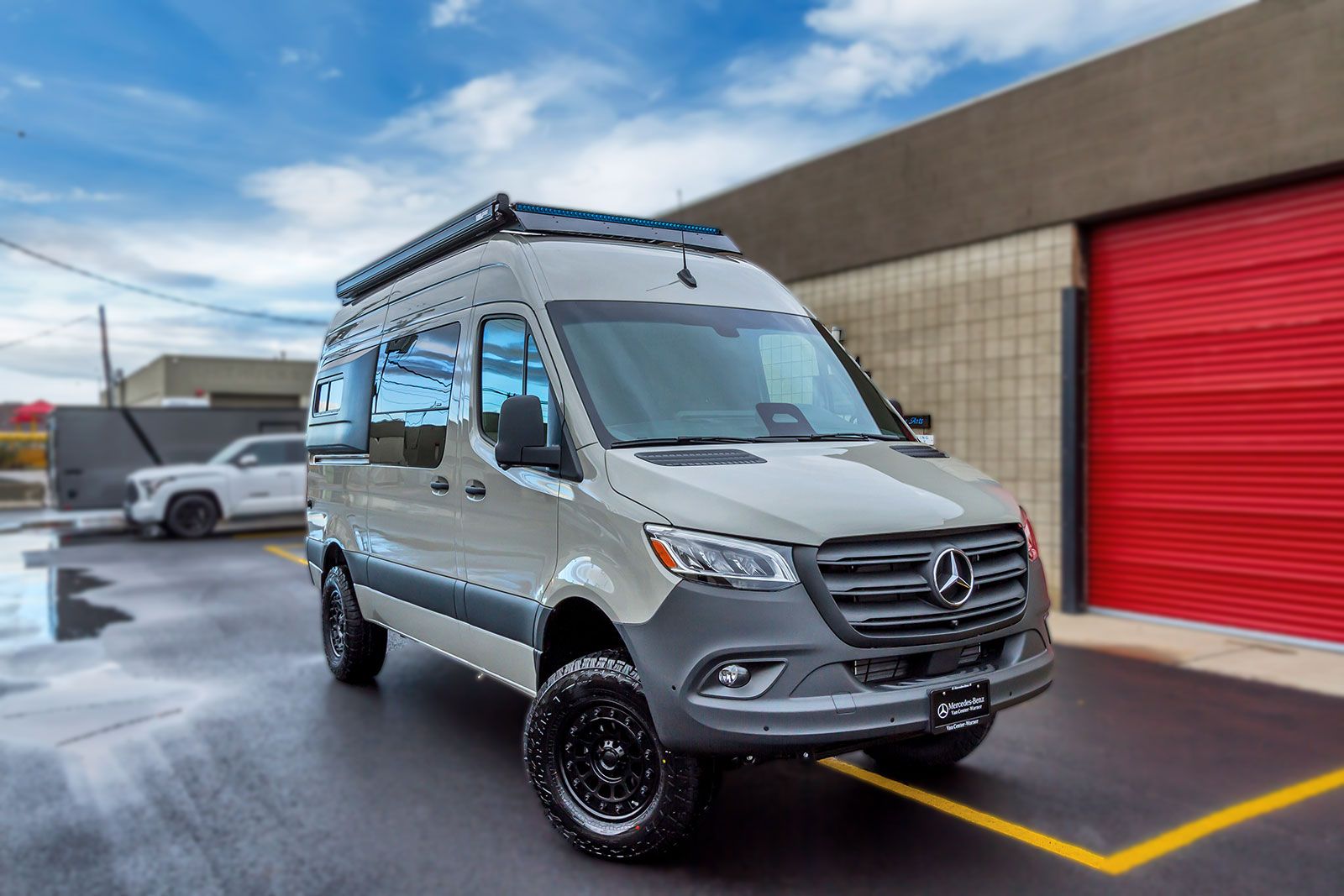
Custom Off-Grid Van Builders in Utah: Engineering Your Ultimate Backcountry Basecamp
Are you ready to trade crowded campgrounds for the untouched solitude of the Utah backcountry? From the rugged corridors of the San Rafael Swell to sub-zero mornings at high-alpine trailheads, the demand for true self-sufficiency has turned Utah into the epicenter of the custom van conversion world.
But building a rig capable of handling the Intermountain West’s extreme environmental shifts requires more than a standard camper conversion. It requires a deep understanding of mobile engineering.
In this guide, we break down what it takes to design a premium, four-season off-grid adventure van engineered specifically for Utah's demanding terrain.
The Reality of True Off-Grid Autonomy
The appeal of off-grid van life is total spontaneity—waking up to a red-rock sunrise in Moab or staying parked at a remote trailhead for weeks without a single resource anxiety. To achieve this level of freedom, a van cannot rely on traditional RV park infrastructure. It must function as a self-contained life-support system.
Utah presents a unique operational landscape for custom rigs. Our terrain demands high-clearance stability, our weather drops from scorching desert summer afternoons to sub-zero winter nights, and our public lands require sustainable waste and resource management. Achieving real autonomy here means investing in heavy-duty internal architecture and mechanical redundancy.
Designing a Premium Off-Grid Adventure Van
When collaborating with an elite van builder, your vehicle should be engineered from the chassis up based on a specific mission profile. Below are the foundational pillars that separate an amateur build from an overland expedition vehicle.
1. Advanced Power Architecture
To run heavy-draw appliances like a 12V air conditioner, induction cooktop, or a mobile office studio off-grid, your electrical grid needs deep reserves and rapid replenishment.
- The Battery Bank: High-capacity Lithium battery systems (such as a 12V 600Ah setup or a high-efficiency 48V EcoFlow core) provide the power density needed for extended off-grid stays.
- Triple-Redundant Charging: True self-sufficiency relies on three independent charging sources: high-output Solar arrays, high-amp DC-to-DC Alternator charging while driving, and a Shore Power inverter/charger for grid connectivity when available.
2. Structural Rigidity: The 80/20 Aluminum Skeleton
Traditional wood-framed conversions inevitably warp, sag, and rattle loose after thousands of miles on washboard BLM and Forest Service roads. To prevent this, premium builds utilize 80/20 extruded aluminum framing. This aerospace-grade architecture provides an indestructible, lightweight skeleton that bolts directly to the vehicle chassis—guaranteeing a silent ride and lifetime durability.
3. Comprehensive Four-Season Thermal Management
Utah’s climate can be brutal. Proper climate control requires a dual-zone strategy:
- The Insulation Package: Advanced acoustic-dampening panels and hydrophobic insulation (like Thinsulate) create an absolute thermal break, keeping the cabin cool in the desert and warm in the mountains.
- Active Climate Systems: Integrating a low-draw 12V or 48V air conditioner (like the Dometic RTX 2000) alongside a high-altitude diesel cabin heater allows you to camp comfortably year-round, from the Wasatch Range down to Zion.
4. High-Capacity Water Infrastructure
Extended backcountry stays are dictated by how much water you can carry. Modern off-grid engineering prioritizes space and weight distribution by mounting large water systems (typically 20 to 32 gallons) low in the chassis or externally in the OEM spare tire location. Paired with an on-demand tankless heater or an electric water heater, these systems provide pressurized indoor or outdoor showers without draining valuable living space.
5. Smart Ergonomics and Connected Workstations
Maximizing a short-wheelbase footprint (like the Mercedes Sprinter 144 or Ford Transit) requires precision spatial modeling. Incorporating dedicated workspaces like a driver-side desk extension, custom Baltic Birch cabinetry with high-durability Wilsonart laminate, and heavy-duty 400lb garage sliding trays ensures your gear is organized and your mobile office is fully functional.
The Professional Build Process: What to Expect
Partnering with an experienced van builder in Utah is an engineering journey divided into clear phases:
- Consultation & Spatial Layout: Aligning your specific lifestyle needs—whether that means hauling multiple bikes, traveling with family, or working remotely—with the ideal vehicle chassis (AWD Sprinter, Ford Transit Trail, or Dodge Promaster).
- System Engineering: Precision modeling of your electrical, plumbing, and thermal systems to guarantee perfect weight distribution and system redundancy.
- The Precision Build: Fabricating the 80/20 aluminum framework, running premium marine-grade wiring, and hand-crafting the custom finish elements.
- Rigorous Quality Assurance: Subjecting all electrical loops, pressurized plumbing lines, and climate controls to real-world stress tests to ensure field reliability.
Choosing the Right Utah Builder For Your Investment
A custom off-grid van is a significant investment. When vetting a conversion shop in the Salt Lake City region, prioritize builders who display deep technical expertise:
Look for the Evidence of Expertise: Ask to see their portfolio of completed builds. Do they hide their wiring and plumbing behind walls, or do they showcase clean, organized technical housing boxes? Do they use residential wood screws, or do they bolt everything into precision-machined aluminum?
Choose a team that offers a comprehensive warranty and clear post-delivery support. Your builder should be an expert in mobile electricity and plumbing, ensuring that when you are miles away from cellular service, your systems perform exactly as intended.
Ready to Engineer Your Next Adventure?
Your van should be more than just a means of transportation—it should be a durable, reliable basecamp engineered to expand your horizons.
If you have questions about power systems, want to explore our 80/20 build process, or are ready to bring your off-grid vision to life, our team is here to help.
Recent Posts